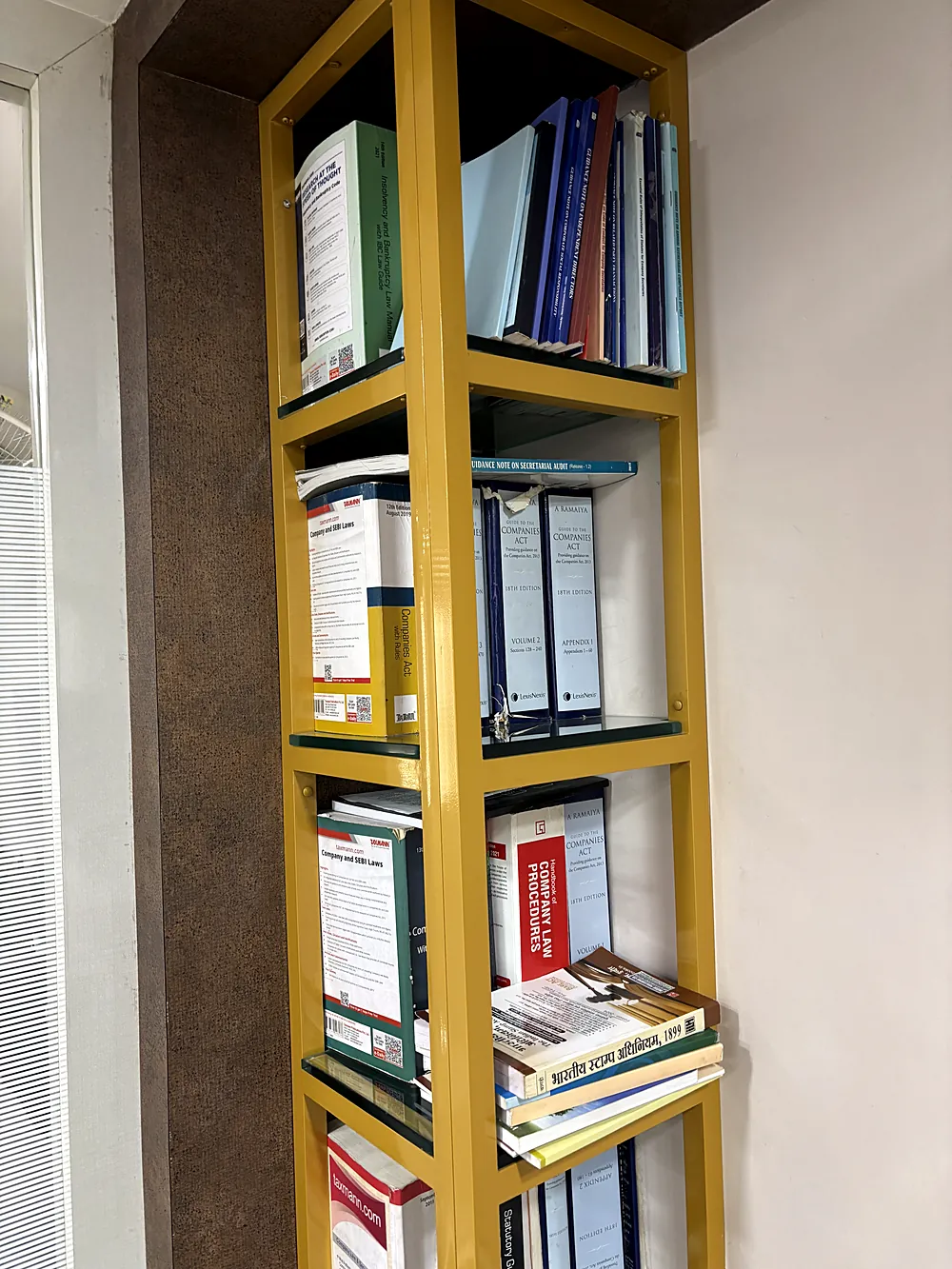
Section 204 of the Companies Act, 2013 sets out Secretarial Audit requirements for specified companies. For listed entities, Regulation 24A of the SEBI (LODR) Regulations, 2015 provides related requirements, including eligibility conditions for the appointed auditor. Applicability and eligibility should be checked against the current law and SEBI regulations.
Legal Applicability Thresholds (Who Must Conduct Secretarial Audit?)
According to Section 204(1) of the Companies Act, 2013 read with Rule 9 of the Companies (Appointment and Remuneration of Managerial Personnel) Rules, 2014:
| Class of Company | Applicability Threshold | Mandatory Report |
|---|---|---|
| All Listed Companies | Every listed entity on BSE, NSE, or SME Exchange | Form MR-3 & SEBI Reg 24A Report |
| Public Companies (Capital) | Paid-up share capital of ₹50 Crore or more | Form MR-3 |
| Public Companies (Turnover) | Turnover of ₹250 Crore or more | Form MR-3 |
| Companies with Borrowings | Outstanding loans/borrowings from banks/FIs of ₹100 Crore or more | Form MR-3 |
Scope of Secretarial Audit: What Does a PCS Verify?
A thorough secretarial audit is a forensic evaluation of regulatory compliances. The auditor verifies records and systems across five key legal pillars:
- 1. Companies Act, 2013: Board constitution, Independent Directors, CSR compliance, Related Party Transactions (RPT) under Section 188, managerial remuneration, and adherence to ICSI Secretarial Standards (SS-1 & SS-2).
- 2. Securities & Exchange Board of India (SEBI): LODR Regulations, Prohibition of Insider Trading (PIT), Takeover Code (SAST), and share transfer compliance.
- 3. Foreign Exchange Management Act (FEMA): Foreign Direct Investment (FDI) guidelines, Overseas Direct Investment (ODI), and External Commercial Borrowings (ECB).
- 4. Industry-Specific Laws: Pollution control, labor codes, factories act, food safety, and sectoral permits applicable to the company’s operating units.
- 5. Board Processes & Internal Controls: Adequacy of internal secretarial systems to prevent statutory lapses.
Impact on Directors: Any qualification, reservation, or adverse remark made by the Secretarial Auditor in Form MR-3 must be formally explained by the Board of Directors in their annual Board’s Report. A qualified report damages market reputation and attracts MCA inspection scrutiny.
SEBI LODR Regulation 24A: Annual Secretarial Compliance Report
For all listed companies, SEBI mandates an additional Annual Secretarial Compliance Report (ASCR) within 60 days from the end of each financial year. This report specifically evaluates whether the listed entity has strictly complied with circulars, master directions, and notification frameworks issued by SEBI.